

EcoFlow Alternator Charger Compatibility 500W & 800W Models
Updated:
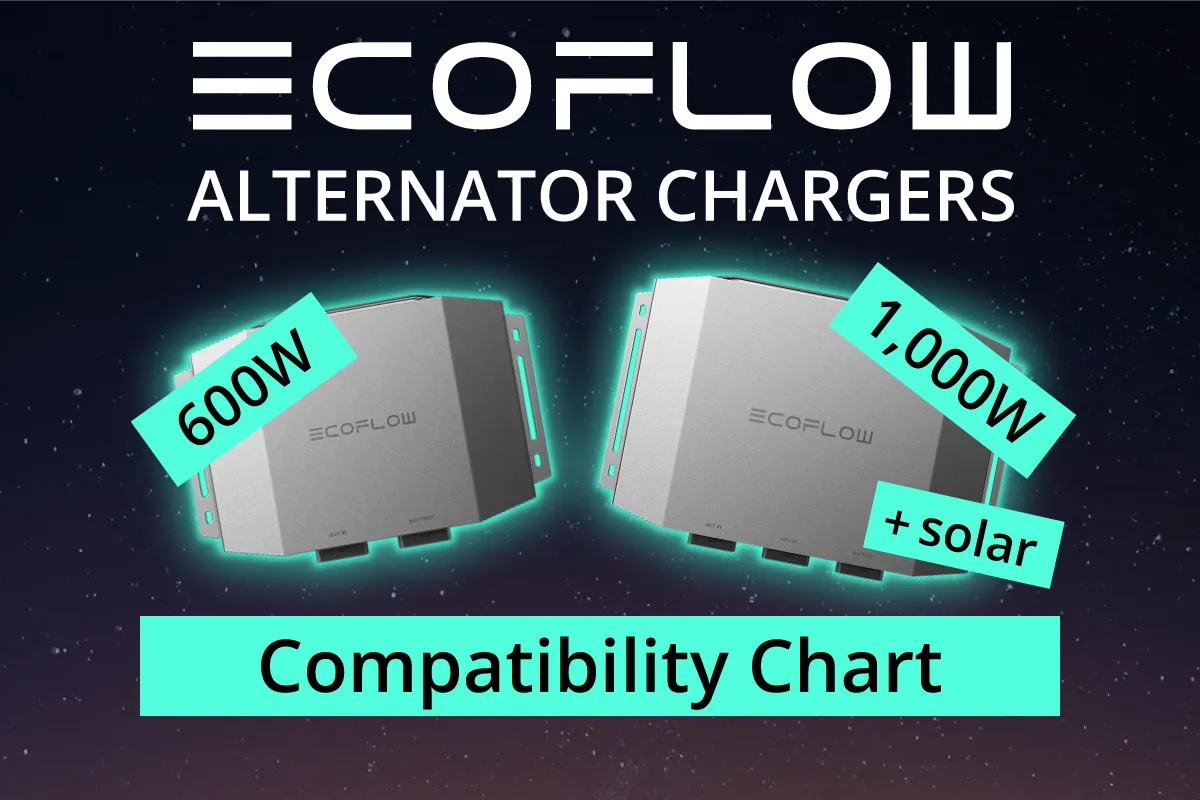
This guide provides the most in-depth compatibility data for the EcoFlow 500W Alternator Charger and 800W Alternator Charger DC-DC chargers, including performance with EcoFlow power stations and third‑party brands like Jackery, Anker, and BLUETTI. Use the compatibility calculator below to estimate the expected charging performance for your setup.
Not sponsored. Thanks for supporting small independent creators. Affiliate links may earn me a small commission at no extra cost to you (info).
For the full details of both models, see my review:
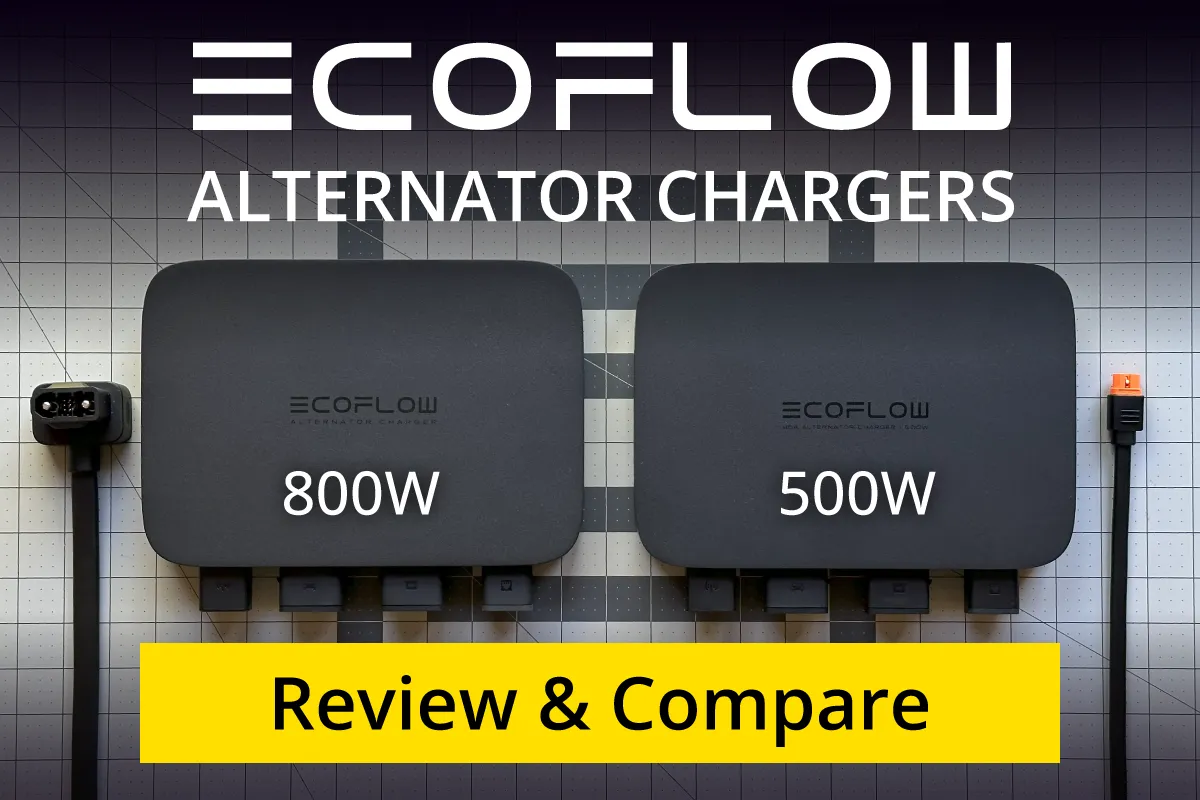
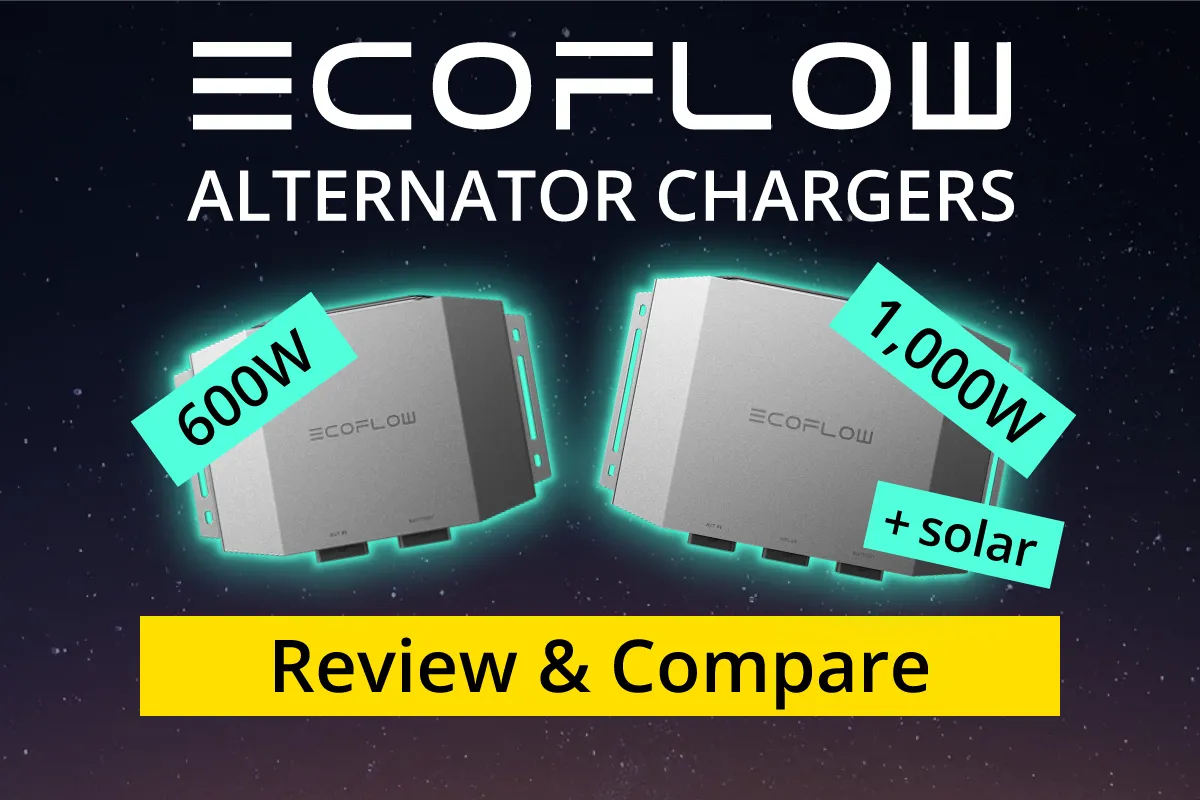
EcoFlow Alternator Chargers
Detailed review of 500W and 800W model and cables
EcoFlow Power Station Compatibility
The tables below outline compatibility, supported input limits, and cable requirements when paired with an EcoFlow power station using XT60, XT150, or Custom Fit (4+8) output cables.
| 500W | 800W | |||
|---|---|---|---|---|
| Model | XT60 | XT150 / 4+8 | XT60 | XT150 / 4+8 |
| DELTA Pro 3 | 500W | 500W | 500W | 800W |
| DELTA Pro | 500W | 500W | 500W | 800W |
All compatibility data was confirmed with EcoFlow support.
Reverse charging and battery maintenance modes require a compatible EcoFlow DELTA series model and either an XT150 or 4+8 output cable. These features are not supported while using the XT60 output cable or any third‑party power station. For a full breakdown of how these modes work, see my detailed full review.
Third-Party Power Station Compatibility
Want to use an EcoFlow Alternator Charger with your BLUETTI, Jackery, Anker or other brand solar generator? Use my compatibility calculator to verify support and see expected charging power. If your solar input port is already in use or needs an XT60 adapter, you'll find solutions in the sections below.
What are the specifications for your solar input port?
Need help finding these values? Show details
Actual output may be lower depending on your setup. Alternator size, battery voltage (12V vs 24V), vehicle battery health, and ambient temperature can all affect performance. Your power station’s minimum start‑up voltage may also limit the charging rate.
More details: My alternator charger guide covers alternator load, smart alternators, idling vs driving, and real‑world charging performance. It also compares chargers across all major brands so you can choose the setup that works best for you.
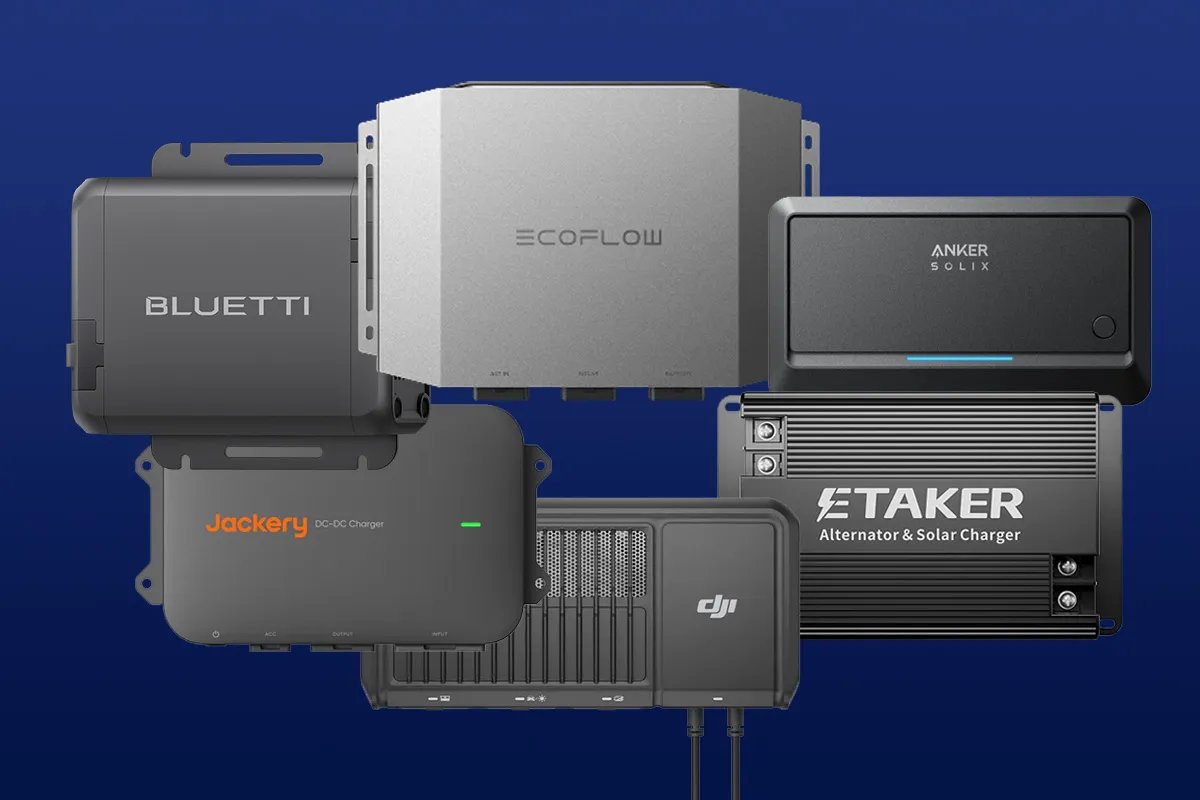
Alternator Chargers
Compare All Models and Brands
XT60 port already in use?
If you only have one XT60 port and already use it for solar panels, you have two options:
- Use the upcoming Alternator Charger Plus 1000: This model includes a built‑in solar controller, allowing your solar panels and the alternator charger to operate at the same time through separate inputs.
- Solar Specs: The solar input on the Plus 1000 accepts 11-60V⎓15A (300W max)
- Accessories Required: EcoFlow Solar Input Cable and EcoFlow XT60 Output Cable.
- Manual Swapping: Manually unplug your solar panels and plug in the alternator charger when driving.Pro Tip: To prevent wearing out your power station’s internal port from frequent unplugging, use a short XT60 extension cord.
Don't have an XT60 port?
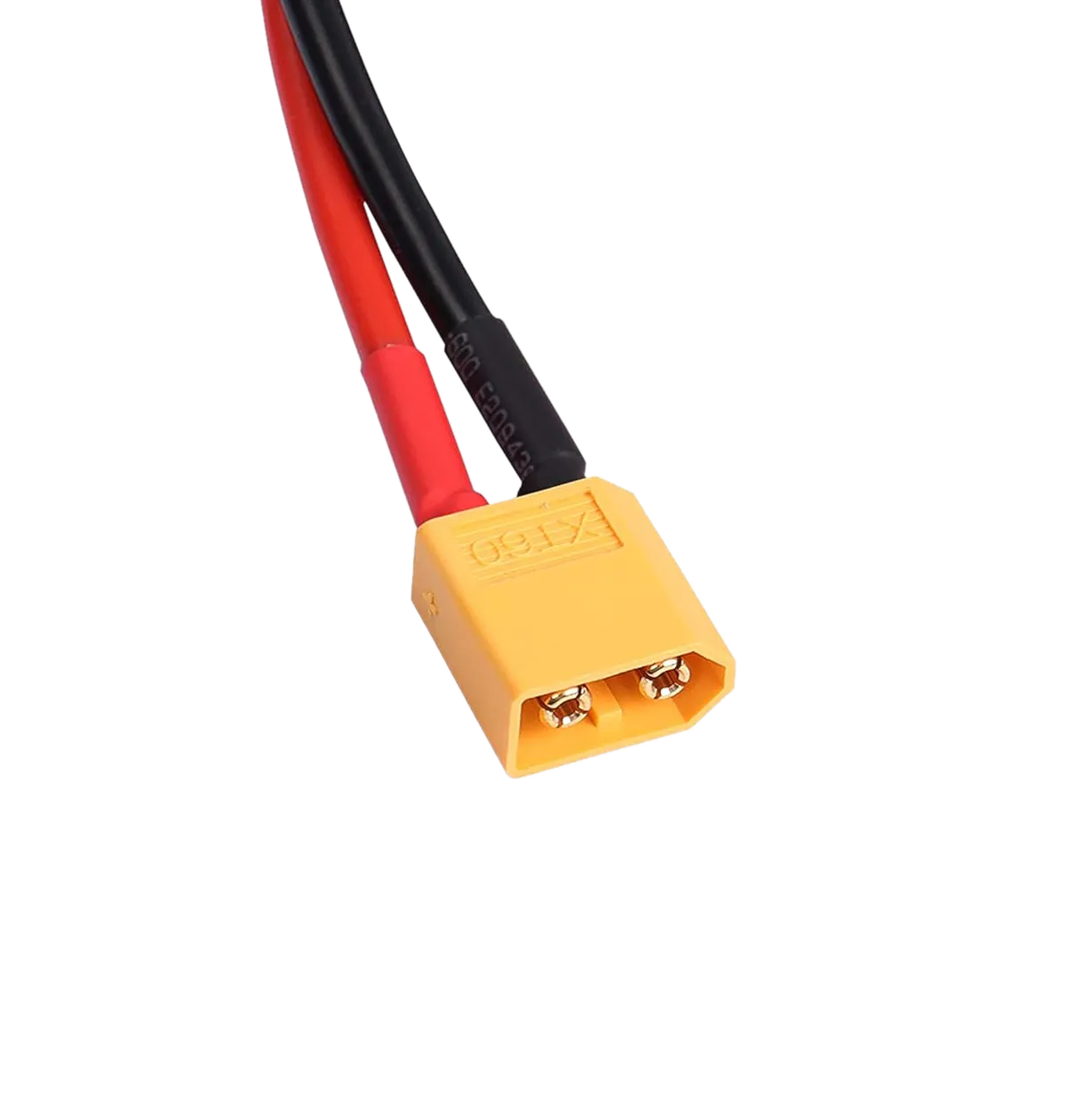
While XT60 is the standard for most modern portable power station and solar generators, some brands or older models use different connectors. If your unit doesn’t have an XT60 port, you can usually use an adapter for the connection. You will need an XT60 male adapter rated for at least 12A to connect to the alternator charger.
Vehicle Compatibility
Both the 500W and 800W models accept a wide input range of 11V–31V, making them compatible with standard 12V (default) passenger vehicles and 24V systems found in heavy-duty trucks or RV house batteries.
- Automatic Voltage Detection: The chargers feature automatic voltage detection to determine when to start charging. While they have a preset threshold, it is highly recommended to manually configure the start-voltage value in the app to match your specific vehicle. This ensures charging begins when the engine starts and stops reliably when the engine is off, to prevent draining your starter battery.
- Smart Alternator Support: Because the 500W and 800W models lack a physical ignition sensing wire, they rely exclusively on voltage monitoring. In vehicles with smart alternators, charging may temporarily pause during fuel-saving voltage drops and resume once the voltage climbs.
Cables and Accessories
Output Cables
Cable type determines system compatibility, available features, and maximum power output. Ideally you would be able to select which cable you want included when purchasing, but that's not the case.
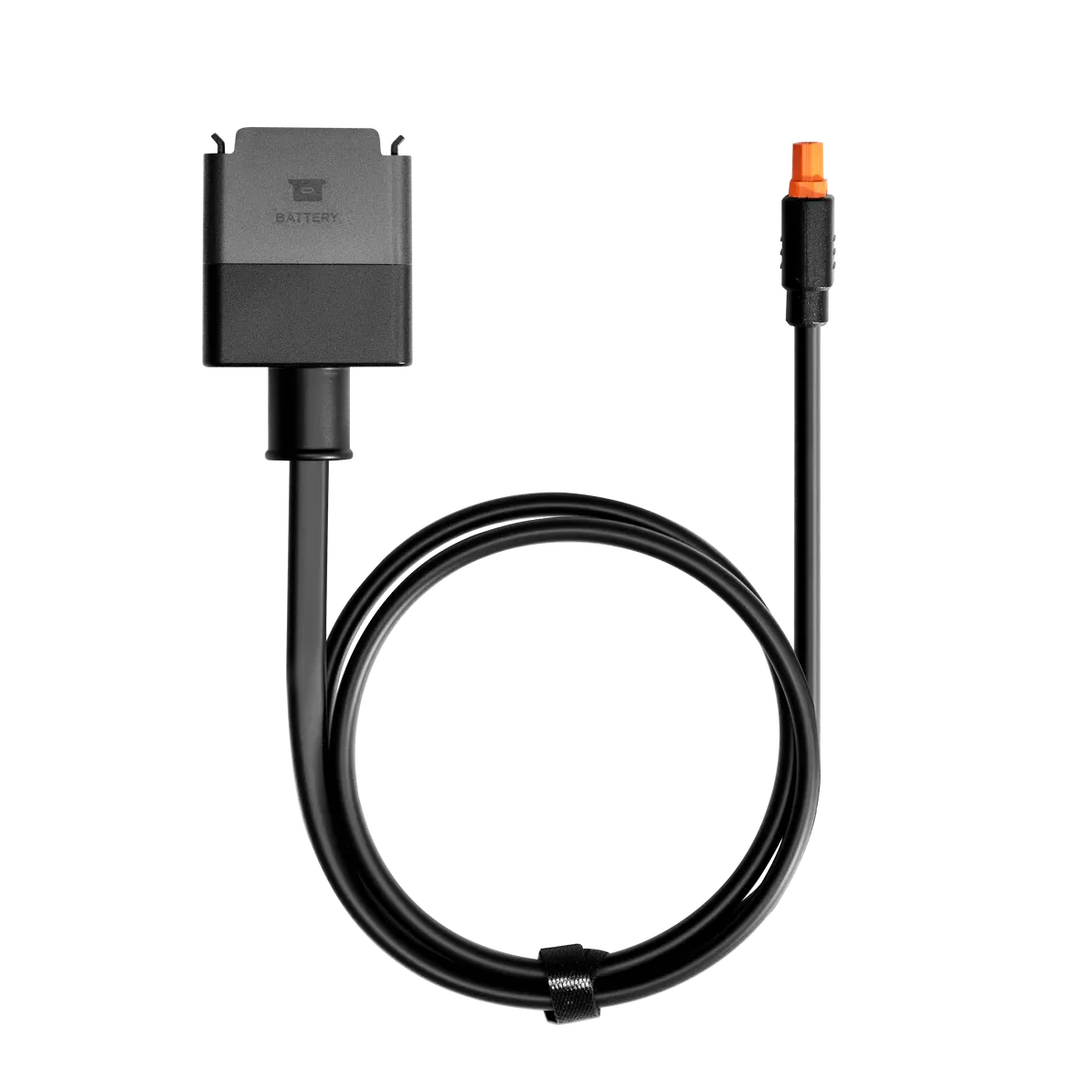 XT60 output cable (EcoFlow or Third-Party)Included in: 500W model (14AWG, 1m)
Supports: charging (500W maximum)
Price: $79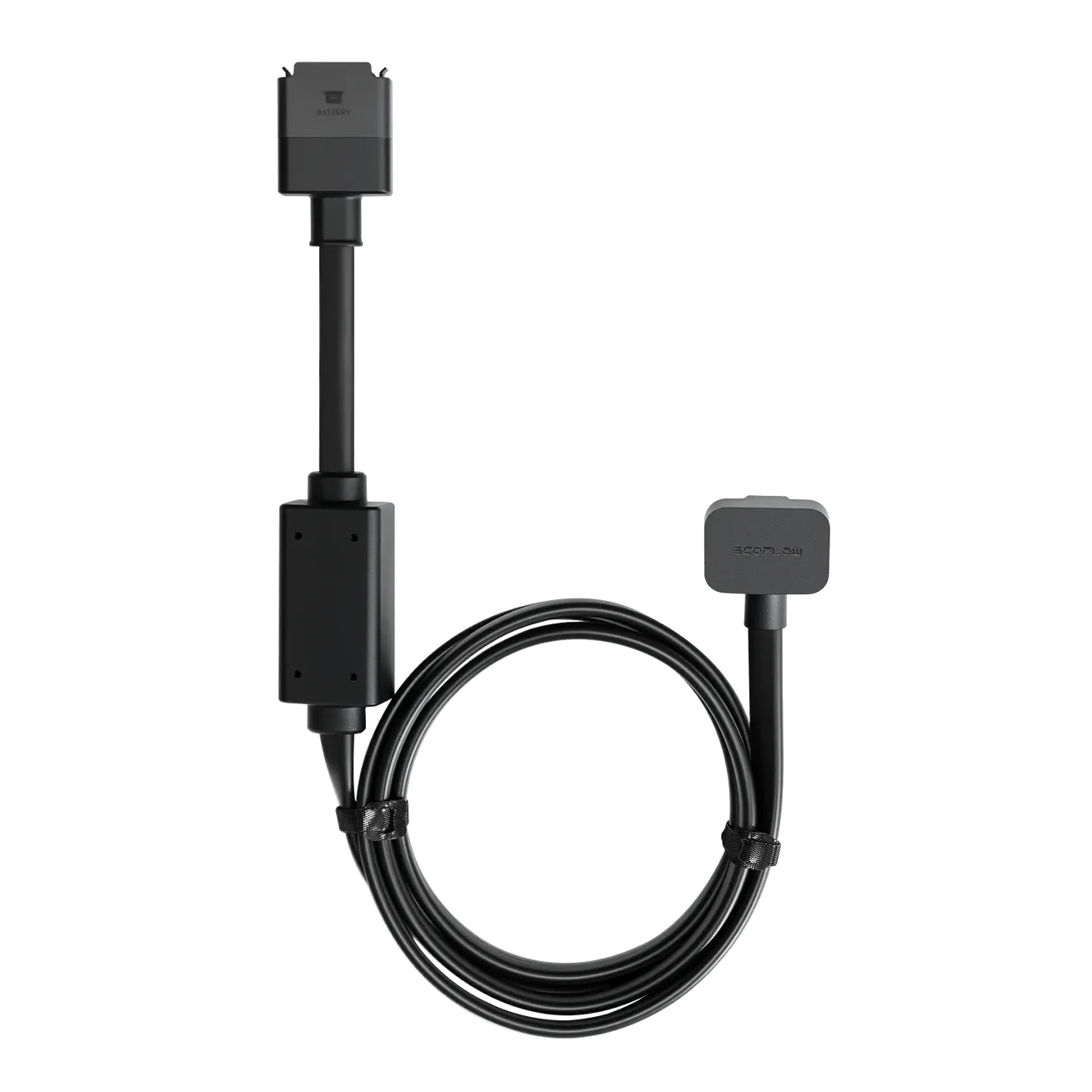 XT150 output cable (EcoFlow only)Included in: 800W model (12AWG, 1m)
Supports: charging (full rate), reverse charging, battery maintenance
Price: $99 (2m)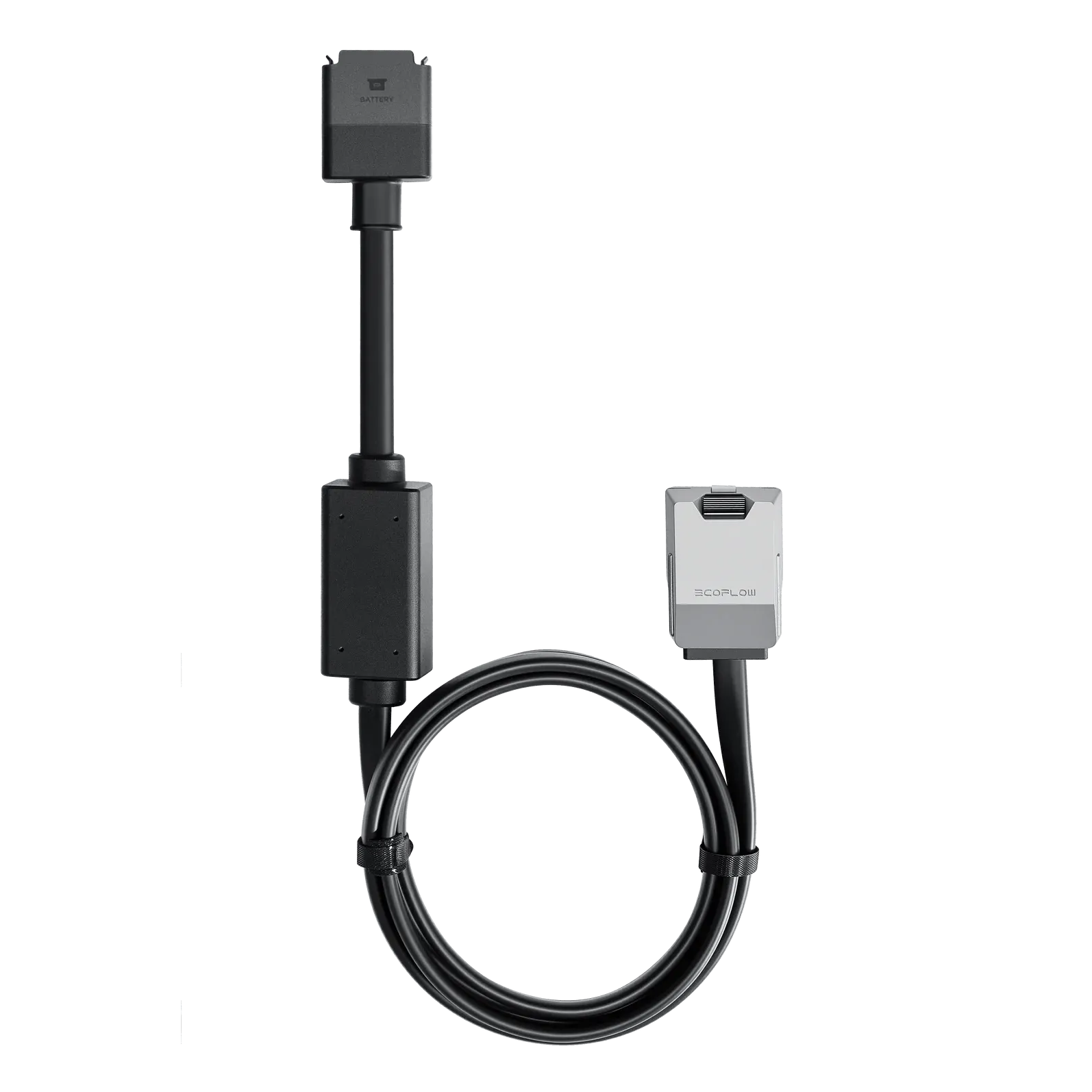 Custom Fit (4+8) output cable (EcoFlow only)Sold separately
Supports: charging (full rate), reverse charging, battery maintenance
Price: $109
Accessories
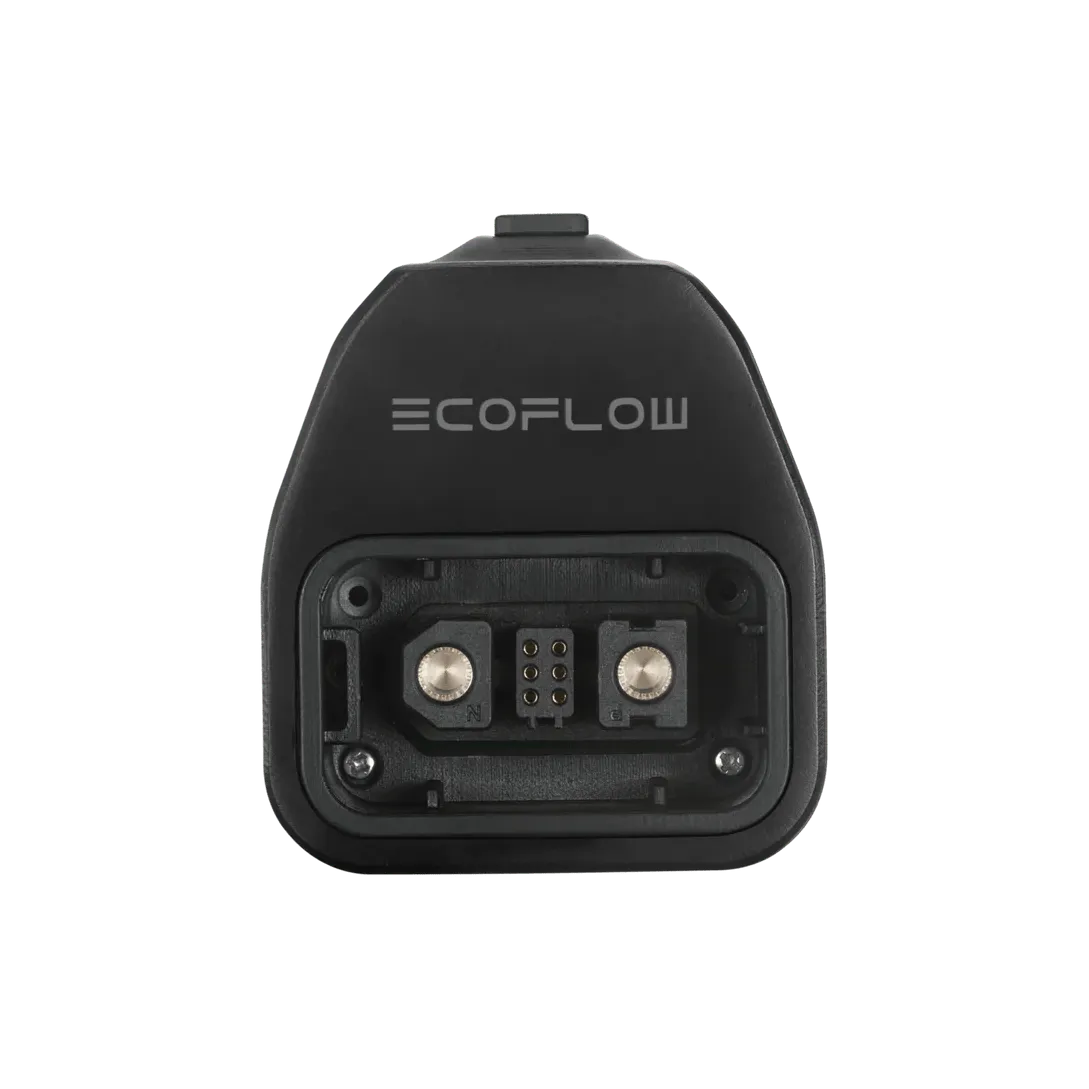 Smart Generator AdapterRequired by some power stations when using XT150 output cable
Price: $69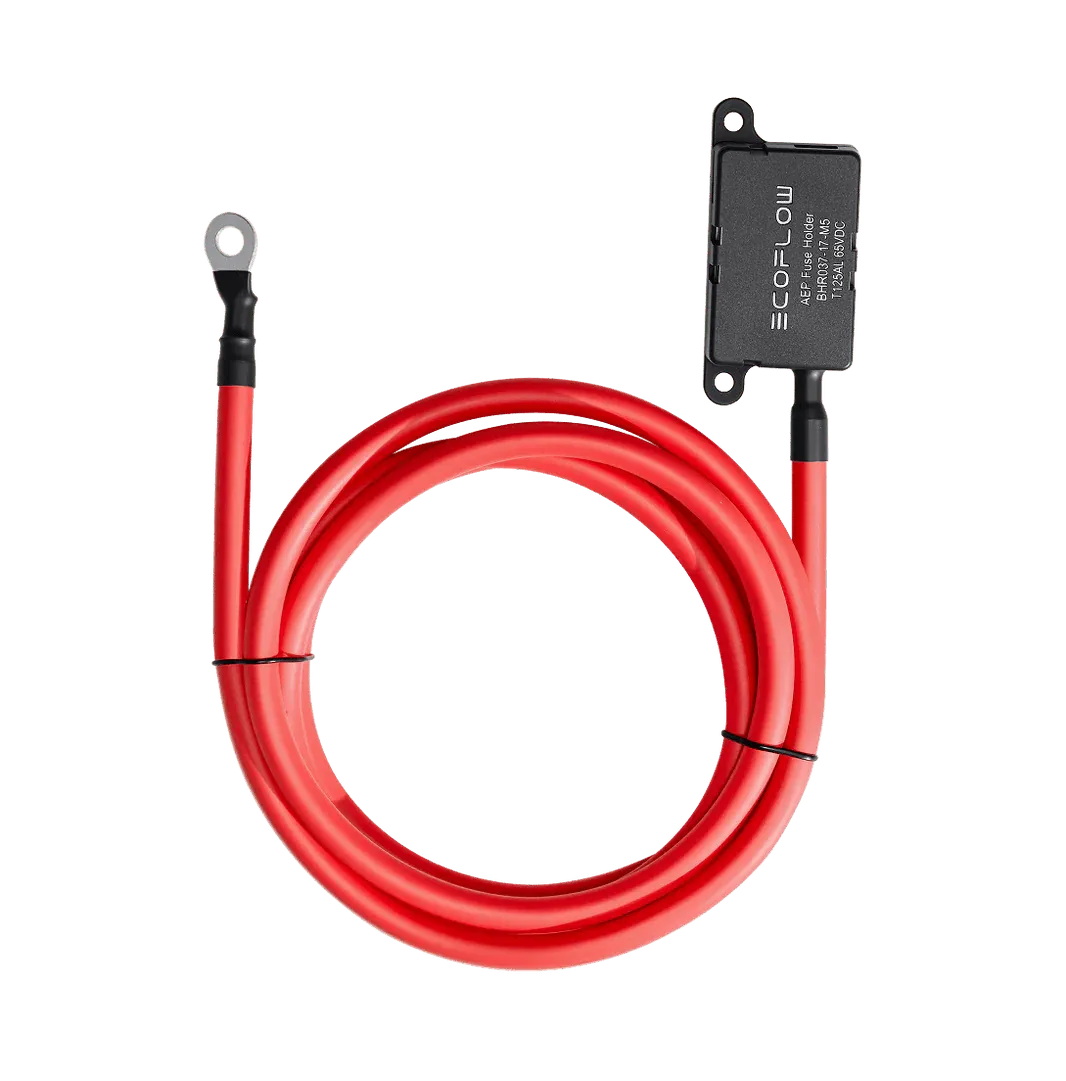 Extended Fuse CableLength: 2m
Price: $59
EcoFlow Alternator Charger Reviews
Explore all EcoFlow alternator chargers models. Learn about differences, features, reverse charging, and more:
Questions or feedback? Connect on Facebook, Instagram, or contact page. If you found this post helpful, please share it with others!